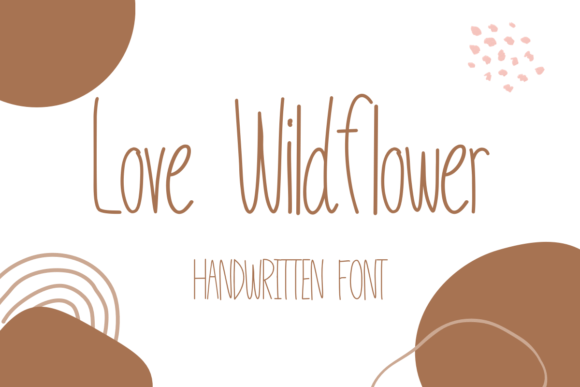
Love Wildflower Font: A Designer’s Review for Campaign Visuals
Choosing the Right Font for a New Product Launch Graphic
I was deep into designing a launch graphic for a new line of organic baby clothes when I landed on Love Wildflower. The brand’s vibe is soft, playful, and naturally feminine—so the font needed to match. Love Wildflower immediately stood out as a handwritten script font that felt personal without being overly whimsical. It’s part of the Script Amp category, which makes sense—it’s a display font with a strong personality, perfect for short headlines, logo-style text, or quote graphics.
What I appreciated most was how quickly it helped set the tone. The font has a warm, approachable look that leans into its hand-drawn imperfections. It doesn’t scream for attention but instead invites the viewer in with a gentle, friendly presence. That’s exactly what we needed for a brand that wants to feel trustworthy and nurturing.
Testing Love Wildflower Across Digital Formats
Once the initial graphic was done, I started testing Love Wildflower across other campaign assets—Instagram posts, YouTube thumbnails, and email banners. The font held up surprisingly well in mobile previews, especially when used at a reasonable size. Its open spacing and rounded edges kept it readable even in fast-scrolling feeds, though I wouldn’t recommend it for long paragraphs or tiny captions.
For Instagram, I used Love Wildflower on a quote graphic promoting a seasonal sale. The contrast between the soft font and a bold background image created visual hierarchy without needing extra design elements. On YouTube, I applied it to a thumbnail for a parenting tips video. The font’s casual style matched the warm, relatable tone of the content.
One thing I noticed is that Love Wildflower works best when given space. Overloading it with too much text or small sizing can make it lose clarity. But when used for short, impactful messages—like “Limited Stock” or “New Arrival”—it shines.
How Love Wildflower Supports Brand Consistency
From a brand identity perspective, Love Wildflower helped unify the visual tone across multiple platforms. Since it’s a script font with a modern twist, it bridges the gap between playful and polished. Paired with a clean sans serif like Montserrat or Lato for body text, it created a balanced typographic system that felt intentional and cohesive.
For a Pinterest campaign targeting new moms, I used the font in a series of quote pins and product showcases. It gave the visuals a consistent look that aligned with the brand’s aesthetic. The font’s gentle curves and soft strokes supported the emotional appeal of the messaging—something a more rigid or formal typeface wouldn’t have achieved.
It’s also worth noting that Love Wildflower comes with a range of alternates and ligatures, which helped avoid repetition in repeated use. This is a big plus for designers building branded template packs or social media kits where variety is key to maintaining visual interest.
When to Use (and Avoid) Love Wildflower
While Love Wildflower is a charming and versatile font, it’s not a one-size-fits-all solution. It excels in short-form, high-impact applications—like callouts, decorative titles, or logo-style headers—but falls short for long-form copy or dense information. Trying to use it for detailed product descriptions or technical content would hurt readability and user experience.
It also doesn’t perform well in formal or corporate contexts. If you're designing for a financial brand or B2B campaign, this font might come across as too casual or unprofessional. Stick to more structured serif or sans serif fonts in those cases.
On mobile previews and thumbnails, I found that using Love Wildflower on a light background with a subtle drop shadow helped it pop without overwhelming the design. For dark backgrounds, I adjusted the font weight slightly and added a light outline to maintain contrast and legibility.
Final Notes: Font Pairing, Licensing, and Practical Use
As with any premium font, it’s important to check what’s included before launching a campaign. Love Wildflower offers multiple file formats and supports multilingual characters, which makes it usable for international brands or diverse audiences. It also comes with commercial font licensing, so you can confidently use it in client work, digital products, and branded templates.
For font pairing, I found that combining Love Wildflower with a minimalist sans serif created the perfect balance between warmth and clarity. If the campaign leaned more into organic or artisanal themes, I paired it with another script font for subheadings to maintain a handcrafted feel.
In summary, Love Wildflower is a thoughtful choice for marketers and designers looking to add a soft, human touch to their campaign visuals. Whether you're crafting a social media post, designing a YouTube thumbnail, or building a branded email banner, this font can help elevate your message with a sense of warmth, personality, and creative appeal.